
Healthy living isn’t just about what we put on our plates. It’s also worth thinking about what we put on our skin, lips and hair every day.
From moisturisers and lip balms to perfumes, makeup and body products, our daily beauty routines can involve a surprising number of ingredients.
The beauty and personal-care industry is enormous, with billions of dollars spent around the world every year on products promising softer skin, younger-looking faces, beautiful hair and irresistible scents. The question to ask yourself is how well do you know the ingredients inside those little bottles of promise you invest in?
What does “natural” skin actually mean?
One thing worth knowing is that “natural” doesn’t have one universal meaning across the beauty industry. A product labelled natural isn’t necessarily completely free from synthetic ingredients, and natural ingredients aren’t automatically better for every person or every skin type.
This is why reading the ingredient list is often more useful than simply looking for the word natural on the front of the packaging.
Look for products that are transparent about their ingredients and, where possible, choose brands that explain where their ingredients come from and how their products are made.
Why consider making the switch to natural skin products?
For some people, choosing more naturally derived products is about simplifying their routine and reducing the number of unnecessary ingredients they use every day.
It can also be an opportunity to discover beautiful traditional ingredients that have been used in skincare for generations.
Think of ingredients such as:
- Jojoba oil — a lightweight oil commonly used in moisturisers and facial products.
- Shea butter — rich and moisturising, particularly useful for dry skin.
- Aloe vera — traditionally used in soothing and hydrating skincare.
- Rosehip oil — a plant oil containing naturally occurring fatty acids and antioxidant compounds.
- Coconut oil — widely used in body and hair products, although it can be too heavy or pore-clogging for some people’s facial skin.
- Beeswax — commonly used in lip balms and creams to create a protective barrier.
- Essential oils — used for fragrance and aromatherapy, although they need to be used appropriately because concentrated essential oils can irritate sensitive skin.
Your skin is worth the swap to a natural product
Your skin is your body’s largest organ and acts as an important protective barrier between you and the outside world.
Cosmetic ingredients are regulated differently from country to country, and many synthetic ingredients have been extensively studied and are considered safe when used as intended.
The more useful approach is to become an informed consumer.
If a product consistently causes redness, itching, burning, dryness or irritation, it may simply not agree with your skin — regardless of whether it is natural or synthetic.
And remember: natural doesn’t always mean gentle. Essential oils, fragrances and some botanical extracts can trigger irritation or allergic reactions in certain people.
Start with the products you use every day
You don’t have to throw away your entire bathroom cabinet overnight.
Instead, start by looking at the products you use most frequently.
-
Lip balm
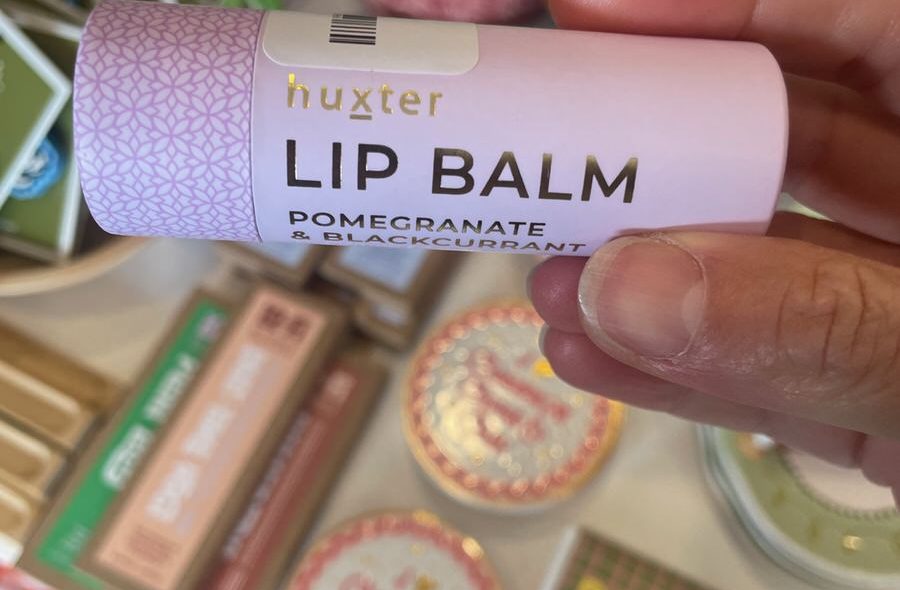
We can apply lip balm several times a day, so it’s worth knowing what’s in yours.
Look for simple formulas containing ingredients such as shea butter, beeswax or plant oils. If you have sensitive lips, you may also want to avoid heavily fragranced products and experiment with fragrance-free options. Our top pick for lip balm is Huxter with our favourite flavour, Pomegranate & Blackcurrant. There are also flavours like Coconut, Lemon & Pink grapefruit, Mint & Lime, and more.
- Moisturiser
A good moisturiser doesn’t need an enormous ingredient list.
Plant oils and butters can provide emollient properties, helping soften and condition the skin. Ingredients such as jojoba oil, shea butter and sunflower seed oil are commonly found in moisturising products.
The best moisturiser, however, is the one that suits your individual skin. I do like Mud Organics for mature skin over 40 years old. It not only hydrates and repairs, my skin is soft and glowing. The secret ingredient Sea Buckhorn. We also discovered a local producing company in Tassie producing tallow balm products.
-
Body oil
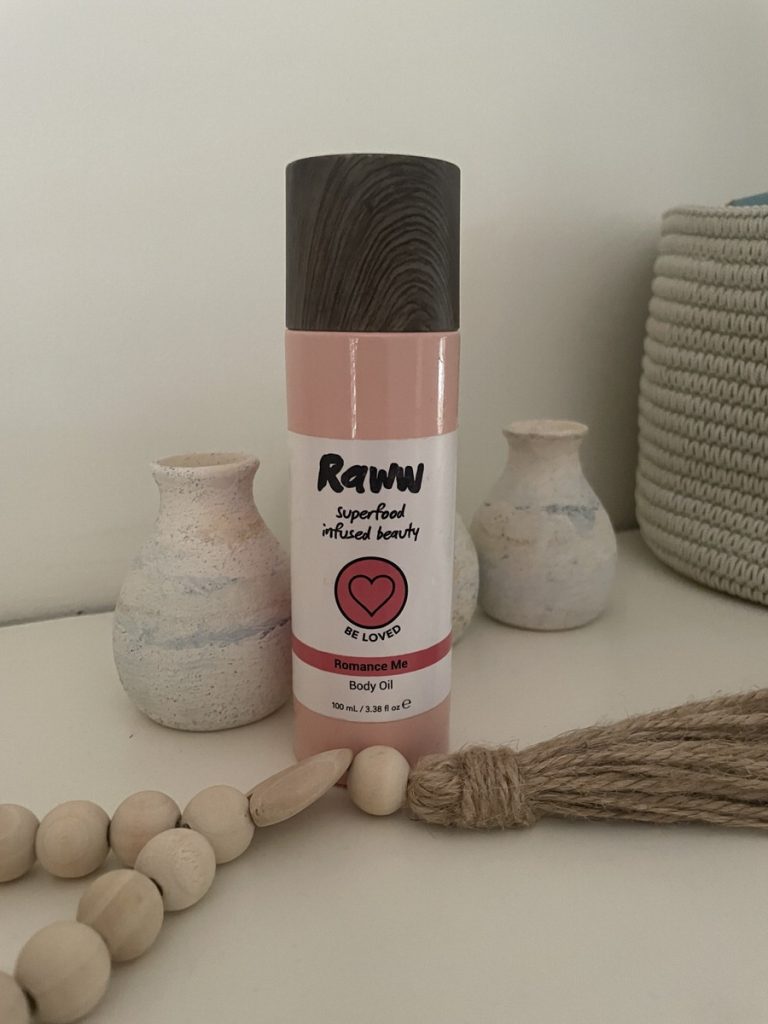
Body oils can be a wonderfully simple addition to a skincare routine.
Jojoba, almond, sunflower and other plant oils are commonly used to soften and condition the skin. Applying an oil after a shower can help lock in some of the moisture already present on the skin. We have tried make up and body oils from Raw cosmetics and can recommend them for not only being Australian but economically priced. We love the Romance me, be loved Rose scent body oil.
If you have allergies, always check the ingredients carefully. For example, nut-derived oils may not be suitable for everyone.
-
Perfume
Fragrance is one area where reading labels can become particularly interesting.
The word fragrance or parfum can represent a mixture of fragrance ingredients rather than identifying every individual component on the front of the bottle.
If strong perfumes give you headaches, make your skin itchy or trigger irritation, consider experimenting with fragrance-free products or lighter scents.
Natural perfume alternatives made with botanical extracts or essential oils can be appealing, but remember that essential oils are highly concentrated and aren’t automatically gentler.
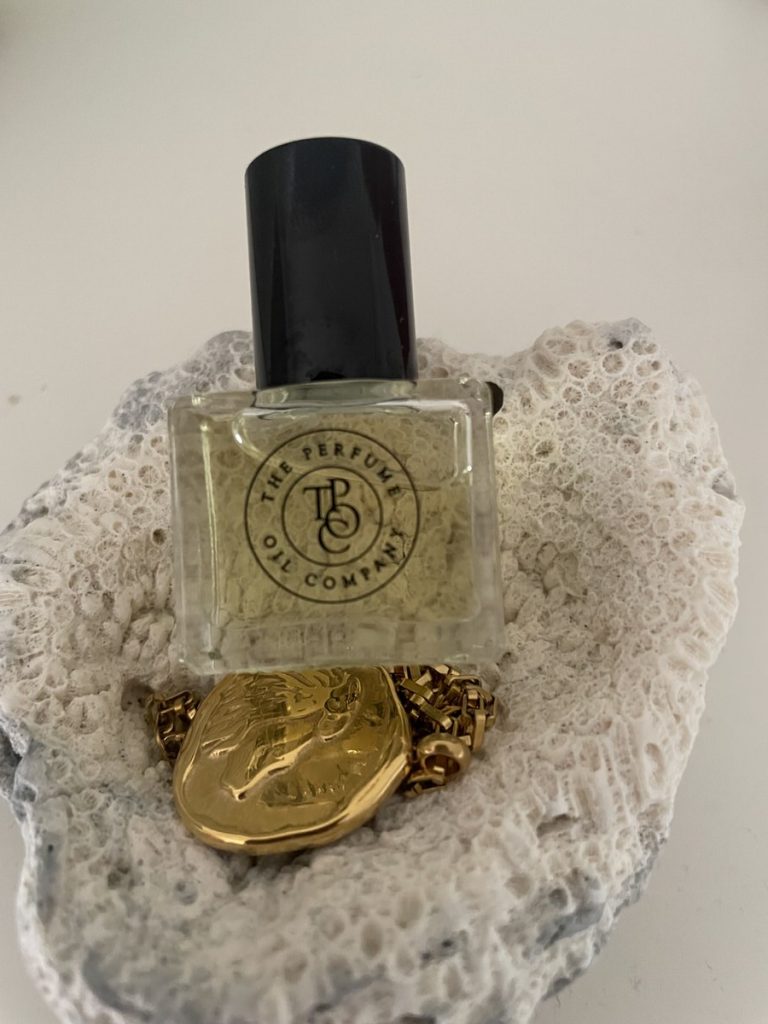
Two of our favourites are:
Natural perfume The Perfume Oil Company our favourite scent is Gypsy.
Another great option for natural perfume is Bopo Women perfume rollers our favourite pick is Aphrodite. These guys also have body oils and other products, but we haven’t tried them.
A simple beauty swap challenge
Instead of changing everything at once, try a 30-day natural beauty swap.
Choose three products you use every day:
One for your face.
One for your body.
One for your lips or hair.
When each product runs out, replace it with a simpler alternative and pay attention to how your skin feels.
Keep a little note on:
- How your skin feels
- Whether you experience dryness or irritation
- Which ingredients your new products contain
- How often you use each product
- Whether you actually notice a difference
You might discover that you don’t need a bathroom cabinet overflowing with products after all.
Our Natural Product Philosophy
At Planet Intuition, we believe healthy living can also be about becoming more conscious of the choices we make.
It’s not about perfection.
It’s about awareness.
Read the label.
Learn what you’re putting on your body.
Choose products that suit you.
Support brands whose values you connect with. We love locally made products. Not only are they good for our environment (shipping) but also support our community.
And don’t be afraid to simplify.
Sometimes healthy living isn’t about adding another product to your routine.
Sometimes it’s about discovering that less can be more.
Our Natural Product Picks
We’ve tried and tested a selection of natural and naturally inspired products that we love and wanted to share with you.
We’ve looked beyond beautiful packaging to consider ingredients, feel, practicality and the overall experience of using them.
From luxurious skincare and beautiful body oils to natural fragrances and gorgeous gifts, these are products we’d happily add to our own wish lists.
And with Christmas approaching, they could make thoughtful gifts for someone who loves beauty, wellness, and a more natural lifestyle. We would love to hear from you. What local Australian products should we try and why?
Look out for Part Two, where we’ll share more of our favourite natural products and tell you what makes each one worth trying. Subscribe so you can stay posted.