
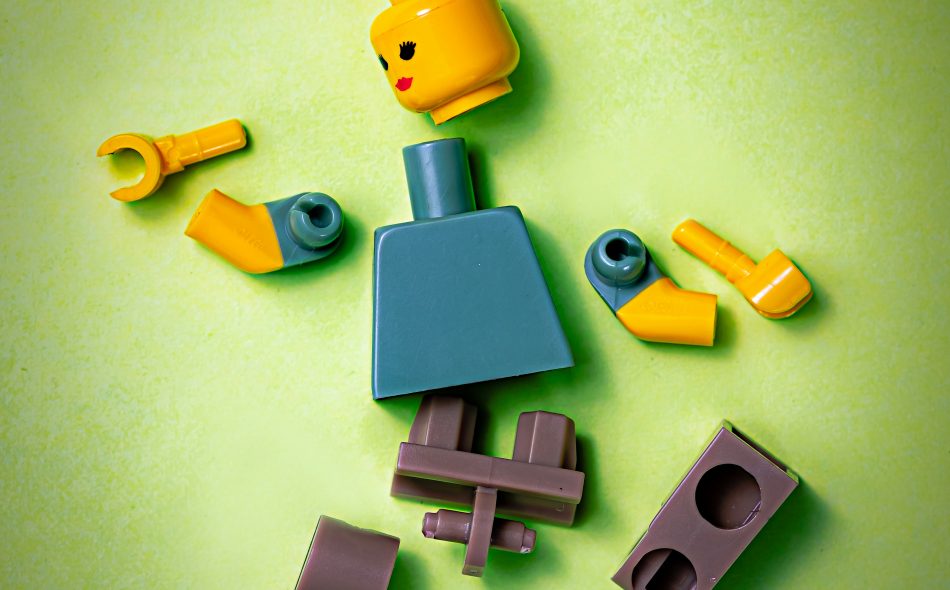
How People-Pleasing Can Disconnect You From Who You Really Are.
Why You’re Afraid of Being Difficult — And Why You Don’t Know What You Want.
Ever wondered why you are afraid of being difficult in relationships or why you don’t know what you want from others? Perhaps this is what happens when you have spent so long becoming who other people need you to be that you no longer know who you are? People-pleasing can disconnect you from yourself. Whether it was something conditioned as a child or learnt behaviour to receive love and acceptance, below we will explore some helpful theories.
Research into having emotions dismissed, being conditionally praised or punished as a child, can be linked to difficulty expressing feelings as an adult. There is also an interesting psychological foundation, called the Self-Determination Theory. It states that people are naturally driven to grow and change but need ongoing support and three basic needs, which are:
Autonomy: the need to feel in control of your actions, choices, and life path.
Competence: the need to feel skilled and capable of mastering challenges in your environment.
Relatedness: the need to feel connected or cared for with a sense of belonging with others.
When our choices become heavily driven by external pressure or approval rather than our own values, our well-being and authentic motivation can suffer later in life.

The fear of being “difficult”
Do you have a fear of being the difficult one in friendships and family relationships? Have you ever feared changing a restaurant plan, but you don’t say anything, or if someone asks what you want for dinner, you genuinely don’t know?
Maybe you want to say no to something, but immediately imagine disappointing someone. You have an opinion, but before expressing it, you consider whether other people will agree.
Most times, the hardest part isn’t saying no.
It’s knowing what your yes actually means.
People pleasing isn’t necessarily about being naturally “nice” all the time, it can feel like a learned way of maintaining connection, acceptance or emotional safety. A person can become so accustomed to monitoring other people’s reactions that their own preferences become quiet. Sometimes a lack of self-worth, being empathetic, never feeling heard, or wanting to keep the peace, can trigger this behaviour.

When being “good” becomes part of your Identity
People pleasing is something people do, and some never sit back to question their behaviour. They simply feel undeserving, the behaviour can simulate constant self-criticism, self-judgement, shame, expecting rejection, or self-doubt.
Some of the behavioural signs can be linked to perfectionism, difficulty receiving from others, whether it be compliments or love, feeling like you don’t fit in socially, or over-giving to earn your place.
Some of these behaviours below can stem from childhood conditioning, or perhaps you learned them along the way in your life.
- Being helpful gets praise.
- Being quiet avoids conflict.
- Being agreeable keeps everyone happy.
- Being independent, means you don’t cause problems.
- Having strong emotions makes people uncomfortable.
- Saying no means you’re selfish.
- Disagreeing means you’re difficult.
- Making mistakes means you may disappoint someone.
- Being loved feels connected to being “good.”
For some people, people pleasing develops through repeated childhood experiences in which approval equals affection, or to feel emotionally safe, you had to behave in a particular way. Research supports the broader idea that emotional invalidation can contribute to emotional inhibition and difficulty responding to emotions later in life.
The child doesn’t necessarily consciously think:
“I must perform correctly to receive love.”
They may simply learn:
“When I am this version of myself, things feel safe.”
And that lesson can follow them into adulthood.
Not knowing what I want and People Pleasing
Perhaps you don’t have a problem knowing what you want. Perhaps you’ve spent years learning to ask, “What does everyone else want from me?” before you’ve had the chance to ask yourself.
In a relationship, have you ever been asked what you want and felt lost in how to express yourself? This isn’t because you have no preferences. But because you’ve become accustomed to checking everyone else’s needs first. There is a difference between “I don’t know what I want” and “I haven’t practised listening to myself.”
When you’ve spent years asking:
- What will make them happy?
- What will keep the peace?
- What would a good person do?
- What will people think?
You may become disconnected from the quieter internal questions:
- What do I enjoy?
- What feels right?
- What matters to me?
- What do I believe?

Your beliefs might not actually be yours
Our beliefs are conditioned throughout life, where we may be presented with opportunities to reflect on these when we can ask ourselves, which parts of this are actually me?
We inherit beliefs from things such as:
- parents
- family
- culture
- religion
- school
- friendships
- relationships
- social media
- gender expectations
- society
Some become deeply internalised.
You might believe:
“A good mother always puts everyone first.”
“A good partner is easy-going.”
“Nice people don’t upset others.”
But ask yourself, do I believe this because it is genuinely aligned with my values—or because I was taught that this is what makes me acceptable?
The difference between kindness and people pleasing
Kindness says:
“I want to help.”
People pleasing says:
“I need to help so you won’t be disappointed in me.”
Kindness says:
“I’m choosing this.”
People pleasing says:
“I don’t feel like I have a choice.”
Kindness can have boundaries.
People pleasing often struggles with them.
And this gives you an important message:
You don’t need to become less caring.
You need to become more self-connected.

If you feel disconnected from yourself, you may struggle to make simple decisions or frequently ask other people’s opinions, or change yourself to fit in.
And perhaps the most revealing:
You are incredibly good at being who other people need—but aren’t sure who you are when nobody needs anything from you.
Change isn’t simply about putting yourself first. It is about taking the time to understand the reason why you behave the way you do. Discovering yourself may feel uncomfortable.
Your brain has learned patterns of prediction and response. If keeping others happy has historically been associated with safety, connection or approval, stepping outside that pattern can feel threatening even when you’re objectively safe.
The goal isn’t to stop caring about others. It’s to create enough internal space to care about yourself and become more self-aware.
Incredibly small techniques to help rediscover yourself
Being a people pleaser and putting the needs of others can not only create disconnect but it can be draining both mentally and physically. It affects so many aspects of our lives, from family home, to relationships, work and self-esteem. The good news is that change is possible, slowly to bring about self-awareness and understanding.
If you would like to know what kind of people pleaser you are, there is a free quiz designed to give you helpful tips.
Remember, you can disappoint people and still be a good person. Your identity may not need to be invented. It may need to be rediscovered. And that can happen one small choice at a time.
Planet Intuition has developed The 7-Day Coming Back to Yourself Challenge which will be published soon. Here you will receive further counselling questions that will guide daily journal prompts to help start your new journey to rediscovering yourself. Sign up to keep in the loop and to read more about topics like this.